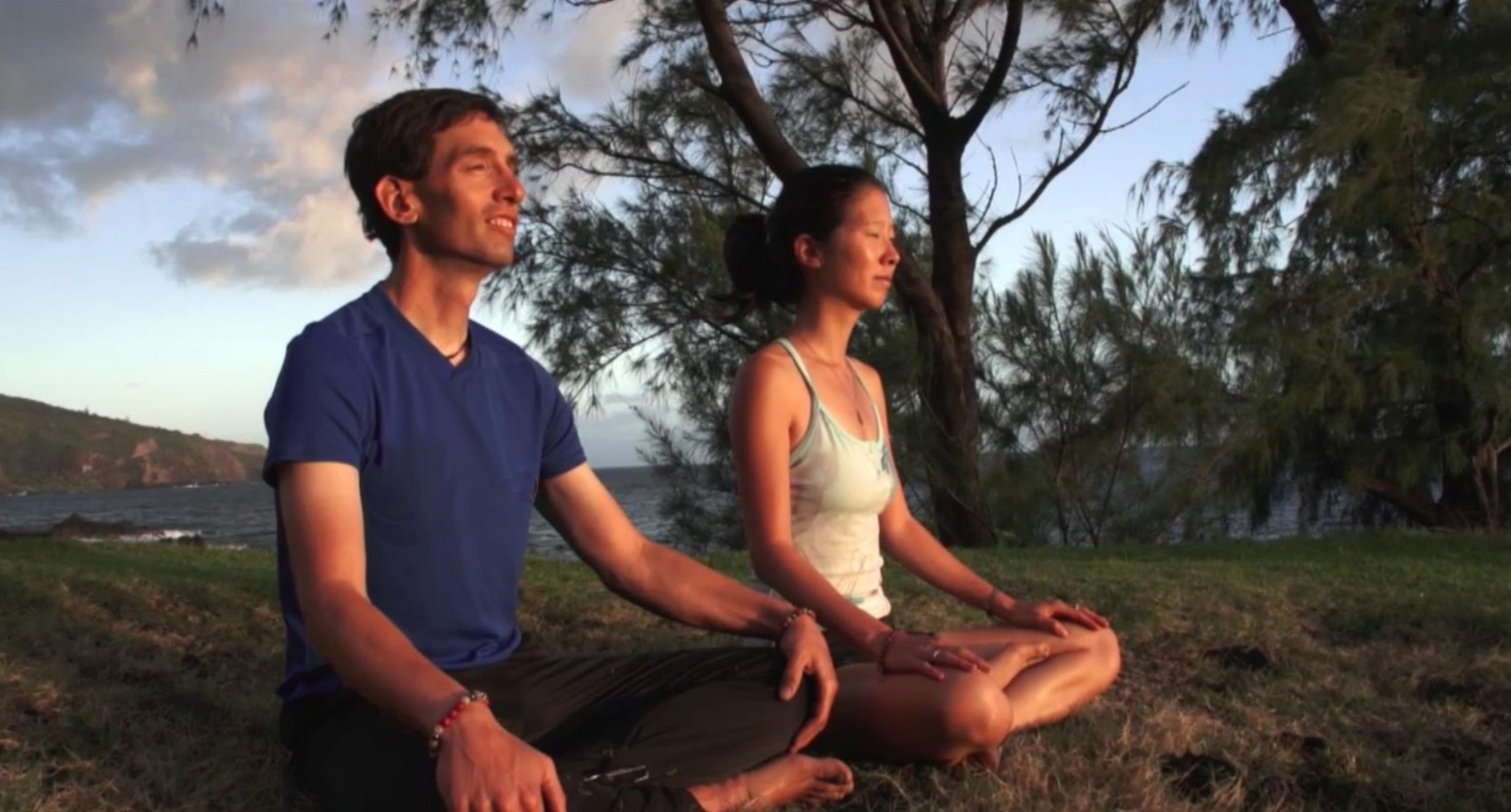
In the relentless pursuit of fitness and well-being, we often focus on the tangible: miles run, weights lifted, calories burned. Yet, beneath the surface of every stride and every repetition lies a powerful, often overlooked tool for enhancing both physical performance and mental resilience: our breath. Far more than an automatic function, mindful exercise breathing is a profound practice that can redefine your workout, boost your heart health, and equip you to navigate life's stresses with greater calm and control. This article delves into how intentional breathing transforms your exercise experience and fortifies your cardiovascular system.
The Hidden Impact of Stress on Exercise Breathing & Heart Health
Picture this: you're pushing through a challenging run, or perhaps facing the pressure of a competition. Suddenly, your breath becomes quick, shallow, almost frantic. This isn't just a reaction to physical exertion; it's often a tell-tale sign of psychological stress triggering your body's ancient "fight or flight" mechanism. When this happens, a cascade of physiological responses occurs that can hinder, rather than help, your performance and overall health.
Rapid, shallow breathing—sometimes escalating to hyperventilation—reduces the amount of carbon dioxide (CO₂) in your blood, a condition known as hypocapnia. While it might seem counterintuitive, CO₂ is crucial for oxygen delivery. Low CO₂ levels paradoxically make it harder for your red blood cells to release oxygen to your working muscles. The result? Symptoms like dizziness, fatigue, heightened breathlessness, and even muscle cramps or spasms. Your aerobic performance plummets because your muscles aren't getting the oxygen they desperately need, making every effort feel significantly harder.
Moreover, stress hormones surge, accelerating your heart and breathing rates further, creating a vicious cycle that intensifies anxiety and compromises your ventilatory efficiency. This dysfunctional breathing also impacts your diaphragm, the primary muscle of respiration. When stressed, the diaphragm can become flattened and immobilized, forcing accessory muscles in your neck and chest to take over. This inefficient pattern expends more energy, competing with your locomotor muscles for vital resources and exacerbating exercise-induced breathlessness. For athletes, these stress-related breathing patterns can heighten the perception of exertion and prematurely limit physiological capacity, making the difference between a personal best and a disappointing performance. To learn more about mitigating these effects during your runs, explore Stop Exercise Stress: Breathe Better for Peak Running Performance.
Why Mindful Breathing is Your Heart's Best Ally
While breathing is largely involuntary, consciously controlling it offers an immediate pathway to influence your autonomic nervous system. By shifting from rapid, shallow breaths to slow, deep, and deliberate ones, you activate the parasympathetic nervous system – your body's "rest and digest" mode. This is the antidote to the stress-induced fight-or-flight response, and its benefits for heart health are profound.
When you engage in mindful exercise breathing, you can actively lower your heart rate, reduce blood pressure, and improve the elasticity of your blood vessels. This practice doesn't just calm you down; it directly strengthens your cardiovascular system by reducing the chronic strain that stress places on your heart. Regular, controlled breathing improves heart rate variability (HRV), a key indicator of cardiac health and adaptability. A higher HRV suggests a more resilient heart that can respond efficiently to various physiological demands.
Beyond the immediate calming effect, consistent mindful breathing practices can reduce systemic inflammation, a known contributor to heart disease. By optimizing CO₂ regulation and oxygen utilization, your heart works more efficiently, requiring less effort to pump blood and oxygen throughout your body. This makes mindful breathing an essential, yet often overlooked, component of a holistic approach to cardiovascular wellness, complementing traditional methods like diet and physical exercise.
Practical Exercise Breathing Techniques for Enhanced Performance & Resilience
Integrating specific breathing techniques into your routine can transform your exercise experience and build mental fortitude. Here are some evidence-based strategies:
Diaphragmatic Breathing (Belly Breathing)
- How to do it: Lie on your back or sit comfortably. Place one hand on your chest and the other on your belly. Inhale slowly through your nose, feeling your belly rise as your diaphragm contracts and pulls air into the bottom of your lungs. Your chest should remain relatively still. Exhale slowly through pursed lips, feeling your belly fall.
- Benefits: This technique is foundational. It maximizes oxygen intake, promotes efficient gas exchange, and stimulates the vagus nerve, which directly activates the parasympathetic nervous system. Practicing it regularly, even outside of exercise, will make it more natural during physical activity.
Slow, Rhythmic Breathing
- How to do it: Aim for a breath rate of 4–10 breaths per minute, significantly slower than typical stressed breathing. Focus on prolonging your exhalation. For instance, inhale for a count of 4, and exhale for a count of 6 or 8. During running, synchronize your breath with your steps: inhale for 2-3 steps, exhale for 3-4 steps. Vary the rhythm based on intensity.
- Benefits: This method optimizes CO₂ levels, improving oxygen delivery to muscles, reducing feelings of breathlessness, and enhancing endurance. The rhythmic nature can also create a meditative state, improving focus and reducing perceived exertion. For advanced strategies on optimizing oxygen during exercise, check out Unlock Endurance: Strategic Breathing for Optimal Exercise Oxygen.
Box Breathing (4-4-4-4)
- How to do it: Inhale slowly through your nose for a count of four. Hold your breath for a count of four. Exhale slowly through your mouth for a count of four. Hold your breath again for a count of four before the next inhale. Repeat this cycle.
- Benefits: Excellent for immediate stress reduction, improving focus, and calming the nervous system. It's particularly effective before or after high-stress situations, whether a competitive event or a demanding workout.
Integrating Breathing into Your Routine
Don't wait until you're stressed to practice. Incorporate these techniques:
- Before Exercise: Spend 5-10 minutes practicing diaphragmatic or box breathing to prime your body for optimal performance and mental focus.
- During Exercise: Consciously apply slow, rhythmic breathing. If you find yourself slipping into shallow breathing, take a moment to reset your breath.
- After Exercise: Use deep, slow breathing to aid recovery, signal to your body that the exertion is over, and promote relaxation.
- Daily Life: Practice for a few minutes each day, even when not exercising. Consistency builds a stronger respiratory system and a more resilient mind.
Beyond the Physical: Mental Resilience Through Breath
The benefits of mindful exercise breathing extend far beyond the physiological. By consciously controlling your breath, you gain a powerful tool for cultivating mental resilience. The act of focusing on your breath draws your attention to the present moment, effectively interrupting the anxious thought patterns that fuel stress. This improved focus isn't just for meditation; it translates directly to better concentration during exercise, allowing you to maintain technique, pace yourself effectively, and push through mental barriers.
When you learn to calm your physiological responses through breath, you develop a sense of agency over your internal state. This internal locus of control reduces anxiety, enhances mental clarity, and builds confidence in your ability to manage challenges—both on the track and in daily life. Athletes often speak of being "in the zone," a state of optimal performance where mind and body work in perfect harmony. Mindful breathing is a direct pathway to accessing and sustaining this state, allowing you to perform at your peak not just physically, but mentally too. It fosters a deeper connection with your body, promoting self-awareness and self-regulation that are crucial for long-term health and well-being.
In conclusion, while the physical act of running or exercising is undoubtedly beneficial for your heart, the way you breathe can amplify these benefits exponentially. Mindful exercise breathing is more than just a technique; it’s a foundational practice that underpins heart health, enhances athletic performance, and cultivates profound mental resilience. By consciously engaging with your breath, you unlock a potent mechanism for stress reduction, optimal oxygen utilization, and a more balanced, powerful you. Start integrating these simple yet powerful breathing exercises into your daily routine, and discover the transformative impact they can have on your health, your workouts, and your life.